

When a dental emergency strikes in Brooklyn, knowing where to turn quickly is crucial. Whether it’s a sudden toothache, a knocked-out tooth, or a severe injury, getting prompt professional care can prevent further damage and ease pain fast. Emergency dental care in Brooklyn offers same-day treatment with expert attention to handle urgent dental problems effectively.
Many local dental offices focus on patient comfort and use modern techniques to make emergency visits as smooth and stress-free as possible. They understand how frightening dental emergencies can be and work to provide clear explanations, gentle treatment, and tailored advice for ongoing care.
For anyone facing a dental crisis, having access to reliable emergency dental services means not having to wait in discomfort or uncertainty. It’s always best to reach out early, ask questions, and get a personalized plan to protect oral health.
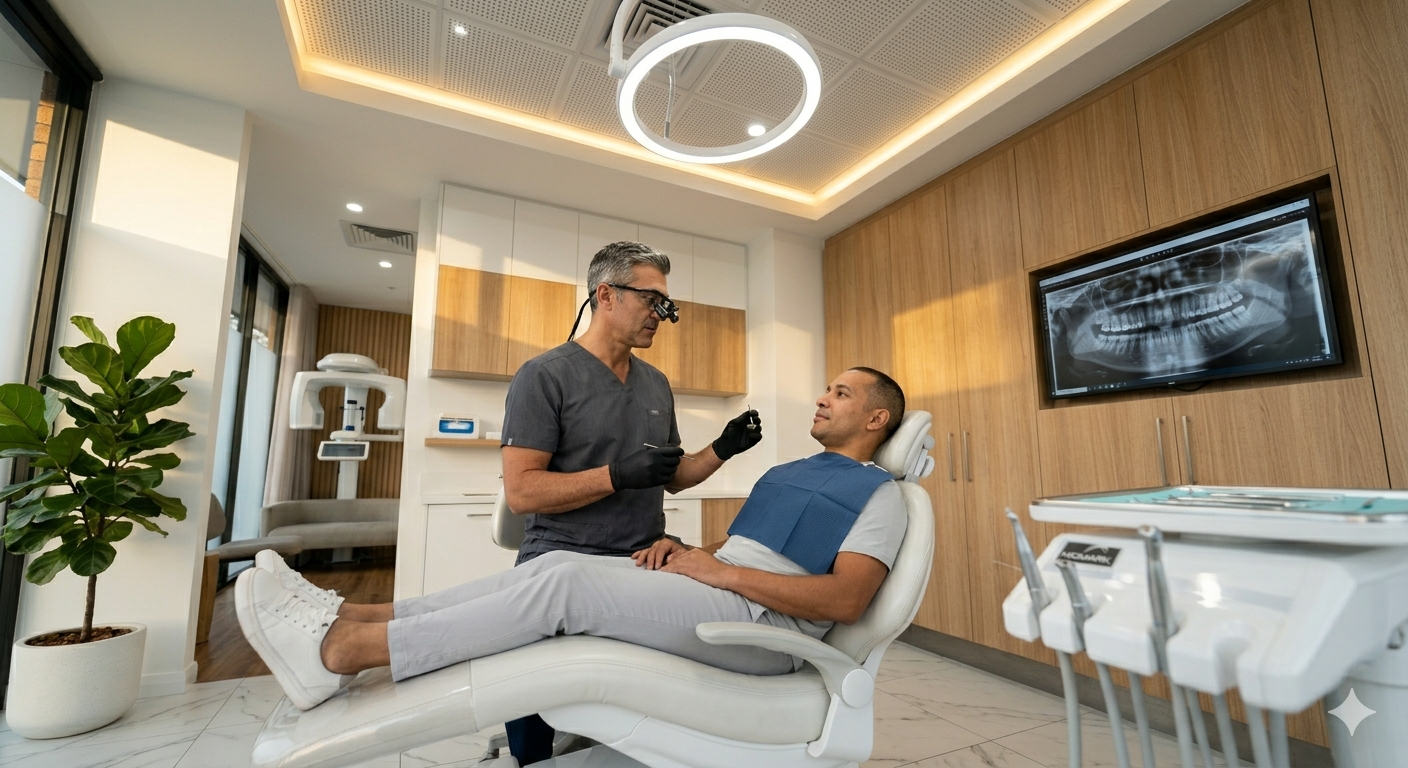
Knowing when a dental situation requires urgent care can prevent complications and relieve pain quickly. Certain symptoms clearly signal a need for immediate attention, while others might be managed with minor care at home. Understanding these differences helps patients make informed choices.
Severe tooth pain that doesn’t improve with over-the-counter painkillers is a strong indicator of a dental emergency. Swelling around the mouth, face, or jaw, especially if it interferes with breathing or swallowing, also demands prompt care.
Other urgent signs include knocked-out teeth, broken teeth causing sharp edges, uncontrollable bleeding from the gums or mouth, and sudden sensitivity to hot or cold that lingers. These symptoms usually require professional treatment to avoid infection or further damage.
Not every toothache or chip needs an emergency visit. For example, mild sensitivity or discomfort from food stuck between teeth can often be managed with cleaning and monitoring. Small chips that do not cause pain or affect chewing might wait for a regular dental appointment.
However, if pain worsens, swelling develops, or if there is visible damage, the situation shifts into the emergency category. When in doubt, calling a dental office for advice can clarify whether immediate treatment is necessary.
If a tooth is completely knocked out, immediate dental attention is essential. Keeping the tooth moist and heading to an emergency dentist can increase the chances of saving it. Intense pain accompanied by fever or swelling indicates infection and should not be ignored.
Loss of consciousness from a dental injury or severe trauma involving the head, neck, or jaw requires emergency room care instead of a dental clinic. Timely response in these cases protects overall health and prevents lasting damage.
Some dental problems need immediate care to prevent pain, infection, or lasting damage. Knowing what counts as an emergency helps patients act quickly and get the right treatment in time.
A severe toothache often signals an infection or nerve damage. The pain can be sharp, throbbing, or constant and might worsen when biting or with hot and cold foods. Ignoring it can lead to abscesses, which cause swelling and fever.
Emergency dentists typically examine the tooth and take X-rays to identify the cause. Treatment might involve root canal therapy, draining an abscess, or, in serious cases, tooth extraction. Meanwhile, patients can reduce pain with over-the-counter pain relievers and saltwater rinses.
A broken tooth can expose sensitive layers, causing pain and increasing infection risk. If the break is minor, smoothing rough edges may be enough, but significant fractures need urgent repair.
Knocked-out teeth require immediate action for the best chance at saving the tooth. Patients should hold the tooth by the crown (not the root), rinse it gently, and try to place it back in the socket or store it in milk or saline while seeking emergency care.
Emergency dentists may reattach the tooth or use splints and follow-up treatments.
Swelling around the gums, face, or jaw usually signals infection. It can cause pain, difficulty opening the mouth, or trouble swallowing, which needs prompt attention.
Dentists will often prescribe antibiotics and drain any abscess if necessary. Left untreated, infections can spread, leading to serious health risks. Patients should not delay seeing a professional when swelling and pain are present.
Early treatment improves recovery and helps avoid complications.
When facing a dental emergency, quick and careful action can make a big difference. Knowing how to manage pain, protect damaged teeth, and control swelling or bleeding helps reduce discomfort and prevent further injury.
Pain from dental injuries or infections can be intense. Applying a cold compress to the cheek can numb the area and reduce pain. Over-the-counter pain relievers like ibuprofen work well, but avoid aspirin if there’s bleeding since it can thin the blood.
Rinsing the mouth gently with warm salt water cleans the area and soothes inflammation. Avoid very hot or cold foods, which might increase sensitivity. Keeping the head elevated, even when resting, helps reduce pulsing pain.
If a tooth is chipped, cracked, or knocked out, quick action is important. For a knocked-out tooth, save it in a container of milk or saliva to keep it moist—never dry. Handle the tooth by the crown, not the root, to avoid damaging sensitive cells.
Temporary sealing chips with sugar-free gum or dental wax can protect exposed nerves. Avoid chewing on the injured side, and don’t attempt to force the tooth back in place. Cover sharp edges with gauze to prevent cuts inside the mouth.
Swelling usually follows trauma and can be uncomfortable. Applying an ice pack in 15-minute intervals helps keep swelling down. Elevating the head reduces blood flow to the injured area, which lowers swelling.
If the bleeding is heavy, use clean gauze to apply firm pressure directly on the wound. Maintain pressure for at least 10 minutes without peeking to see if it has stopped. Avoid spitting or rinsing aggressively, as this can restart bleeding. If bleeding persists, seek emergency care promptly.
Emergency dental care in Brooklyn uses advanced techniques to address pain, restore teeth quickly, and ensure comfort. Treatments focus on minimizing discomfort and speeding recovery while protecting natural teeth whenever possible.
Same-day restorations let patients avoid multiple visits and get their smile fixed quickly. Using digital scans and 3D milling machines, dentists craft precise crowns, veneers, or fillings during a single appointment.
This technology eliminates the need for temporary restorations and long waits. Patients walk out with durable, natural-looking results that fit perfectly, restoring function and appearance immediately.
Same-day restorations often use strong ceramic materials that blend well with surrounding teeth. This approach is ideal for broken or severely decayed teeth needing urgent repair, especially when chewing discomfort affects daily life.
Effective pain control is vital during dental emergencies. Dentists combine local anesthetics with sedation options tailored to patient comfort and anxiety levels.
Options include topical gels before injections, nitrous oxide (laughing gas), or oral sedation for deeper relaxation. These methods reduce pain and help patients feel calm during treatment.
After procedures, dentists recommend over-the-counter or prescription pain relievers based on the severity of pain and inflammation. Ice packs and gentle care instructions also support healing and comfort.
When tooth removal becomes necessary, modern dentists prioritize gentle techniques to minimize trauma. Using specialized tools and careful methods, they reduce tissue damage and speed recovery.
Before extraction, sedation and anesthesia ensure patients feel little or no pain. During the procedure, dentists work precisely to preserve surrounding bone and gums, preparing the area for potential implants or dentures.
Post-extraction care includes clear instructions on managing bleeding, preventing infection, and easing discomfort. Follow-up visits monitor healing and support overall oral health.
Choosing a dentist for emergency care means focusing on quick access, expertise, and trustworthiness. It’s important to know what qualities make an emergency dental provider reliable and why local services offer unique advantages for urgent situations.
A good emergency dentist in Brooklyn should offer same-day or next-day appointments. They need to be skilled in handling a variety of urgent issues like toothaches, broken teeth, or infections with minimal wait times.
Look for dentists who communicate clearly. They should explain treatment options, costs, and pain management in simple terms. Experience with sedation or pain relief can make a big difference in patient comfort during emergencies.
Check if the office has extended hours or weekend availability. Accessibility outside regular office times is crucial when emergencies happen after hours.
Local emergency dental care means faster response times and less travel stress during a painful situation. Being near home or work helps patients get treatment promptly, avoiding complications.
Dentists working in Brooklyn often understand the community’s specific needs and can provide personalized care. Familiarity with nearby specialists or labs speeds up any required follow-up treatments.
Additionally, local providers often offer flexible payment options and work with nearby insurance plans to reduce financial worries during an emergency. This support helps patients focus on recovery without added stress.
Taking steps to avoid dental emergencies can save pain and unexpected trips to the dentist. Regular care and practical habits help protect teeth and gums from sudden damage or infection.
Regular dental visits play a crucial role in preventing emergencies. Dentists can spot small issues like cavities or gum inflammation before they become painful problems.
Professional cleanings remove plaque buildup that brushing alone can miss, reducing the risk of decay and gum disease. Many emergencies come from untreated infections, which routine care helps control.
Scheduling checkups every six months allows the dentist to tailor advice, recommend treatments, or adjust oral care routines. Patients who keep up with these visits often experience fewer urgent dental crises.
For those who play sports or engage in physical activities, protecting teeth is vital. Custom-fitted mouthguards absorb shocks that can cause chips, fractures, or knocked-out teeth.
Over-the-counter guards provide some defense, but dental-made options offer better fit and comfort. Protecting teeth during contact sports, cycling, or even recreational activities reduces emergency risks.
Using helmets with face protection also helps avoid facial injuries affecting teeth. Encouraging patients to invest in proper protective gear can prevent painful and costly dental accidents.
Emergency dental visits can be stressful, but many patients find relief when care providers create a calming environment. Comfort strategies help ease anxiety and make urgent treatments more manageable.
Patients often arrive in pain due to issues like knocked-out teeth, severe toothaches, or broken crowns. One Brooklyn patient shared how an emergency visit eased her discomfort through prompt treatment and clear communication. She appreciated the dentist’s ability to explain each step, which reduced her fear.
Others report quick responses during late-night visits, highlighting that having access to immediate care prevented worsening of their condition. Many emphasize the importance of staff who listen and show empathy, making a tough situation feel less intimidating. These stories reveal that personal attention and timely care are crucial in emergency dental experiences.
Dental offices in Brooklyn use several methods to help patients feel at ease during emergency treatments. They often offer sedation options, such as nitrous oxide or oral sedatives, to reduce pain and anxiety without requiring lengthy recovery times.
Modern clinics also focus on creating a welcoming atmosphere with soothing colors, comfortable chairs, and even noise-canceling headphones. Staff members are trained to recognize signs of distress and adjust their approach accordingly.
A typical comfort toolkit looks like this:
| Comfort Tool | Purpose |
|---|---|
| Sedation methods | Calm nerves, manage pain |
| Clear explanations | Reduce fear through info |
| Friendly staff | Build trust and reassurance |
| Soothing environment | Lower stress levels |
These strategies work together to help patients undergo emergency procedures with less fear and more confidence.
When dental pain or an injury strikes, acting quickly can make a big difference. The first step is to contact a trusted emergency dental provider in Brooklyn, NY, who can offer prompt care. Many clinics offer same-day appointments or after-hours services to ease discomfort without long waits.
It’s helpful to prepare by noting symptoms clearly—whether it’s severe pain, swelling, or a broken tooth. This information guides the dental team in prioritizing care and tailoring treatments. Patients should also share any relevant medical history or medications, ensuring safe and effective options.
Practical tips before the visit:
The dental office will often provide instructions on pain management or temporary solutions until treatment. Modern technology means many emergency issues can be resolved quickly with minimal discomfort. Dentists in Brooklyn focus on patient comfort throughout, using numbing agents and sedation if necessary.
Taking that first step by calling for an appointment can bring reassurance and a clear plan for recovery. Encouraging questions and open communication with the dentist helps individuals feel more in control during an emergency. Prompt professional care sets the stage for healing and long-term dental health.
Emergency dental situations can feel overwhelming, but knowing the right steps can make a big difference. Quick decisions about tooth pain, injuries, and care often help protect your smile and reduce discomfort.
Severe, persistent pain that wakes you up at night or lasts more than a few hours usually means you need to see a dentist right away. If the pain comes with swelling, fever, or difficulty breathing, it’s an emergency.
Mild discomfort or sensitivity, on the other hand, can often wait until regular office hours. But if you’re unsure, calling a dental office for advice is a good idea.
Rinse your mouth gently with warm water to clean the area. Use a cold compress on your cheek to reduce swelling or pain.
Avoid chewing on the damaged side, and save any broken tooth pieces if you can. Those fragments may help your dentist restore the tooth.
Find the tooth and hold it by the crown, not the root. Rinse it gently with water if dirty, but do not scrub or remove tissue.
Try to place it back into the socket if possible. If not, keep it in milk or a tooth preservation kit and get to a dentist within 30 minutes for the best chance of saving it.
Use over-the-counter pain relievers like ibuprofen to reduce pain and inflammation. Follow dosage instructions carefully.
Apply a cold pack wrapped in a cloth to the affected area for 15 minutes at a time. Avoid hot foods or drinks until swelling goes down.
The dentist will quickly assess the issue, take X-rays if needed, and explain treatment options. They focus on relief first, such as draining an abscess or stabilizing a tooth.
Local anesthesia and modern techniques help keep pain minimal throughout any procedure. Sedation options are also available for anxious patients.
Many dental offices hold slots open for emergencies and can often see patients the same day. Calling early improves your chances.
Have your symptoms, the exact time the problem started, and any relevant medical history ready. This helps staff prioritize and prepare for your visit.